
What makes nitrile gloves age in storage
When nitrile gloves fail “out of nowhere,” the cause is usually slow damage that started long before anyone put them on. Nitrile is a synthetic rubber, and like most polymers, it breaks down faster in the wrong conditions. Heat is the biggest accelerator. A case stored in a hot shop corner, near a heater, or in a vehicle can lose elasticity over time. That shows up as cuffs that tear during donning or fingertips that split under light stress. UV light adds another layer of trouble. Sunlight through a window can seem harmless, but UV energy can break down polymer chains, leaving gloves that feel stiff, chalky, or “papery” instead of smooth and resilient.
Ozone is a less obvious culprit, but it matters. It can be produced by electric motors, compressors, and other equipment, and it attacks rubber-like materials. You may not smell it, but the damage can show up as fine cracking, especially when the glove is stretched. Humidity swings also play a role. High humidity can promote clumping, sticking, and box contamination, while very dry conditions can contribute to a brittle feel over long storage periods. Rapid changes, like moving cartons from a cold warehouse to a warm production floor, can create condensation inside partially opened boxes, which quickly compromises gloves.
Physical handling is another “silent” source of failure. When glove cartons are crushed, dropped, or stacked under heavy loads, cuffs and folds can become permanently creased. Those creases act as stress concentrators, making tears more likely right where the glove was compressed. This often happens when cases are used as makeshift shelving or stored on the floor where they get kicked, stepped on, or hit by carts. The glove may still look fine, but the damage is already there.
Set the right storage conditions (cool, dry, shaded)
The simplest way to keep nitrile strong is to store it like any performance material: stable temperature, low UV exposure, and minimal chemical contact. A cool, dry location that stays consistent day to day works best, not a spot that bakes in afternoon sun or spikes in temperature when equipment turns on. A dedicated cabinet, shelving in an interior room, or storage away from exterior doors usually works well.
Vehicles are a common problem. A glove case left in a truck, service van, or forklift compartment can see extreme heat in summer and freezing temperatures in winter. Even if the gloves look fine, those swings stress the material and shorten usable life. If you need gloves on the go, keep only a small working supply in the vehicle and replenish it often from properly stored inventory.
Also consider ozone sources and electrical equipment. Compressors, large motors, battery charging areas, and some welding setups can increase ozone exposure. Store gloves away from these zones so the air around the cartons stays cleaner. The same goes for chemical vapors. A shelf near a solvent cabinet, parts washer, or fuel storage isn’t a neutral location, even if the gloves are boxed.
Protect glove boxes from moisture, dust, and crushing
Packaging is part of glove performance. A glove box is designed to dispense cleanly, not to act as a long-term open bin. When the dispenser opening stays open all day, the box collects dust, aerosolized chemicals, humidity, and accidental splashes. In many work areas, that’s enough to cause sticking, discoloration, or a “draggy” feel that makes donning harder. Close the perforated opening when possible, or use a dispenser that covers the top of the box.
Orientation and stacking matter more than people expect. Keep boxes upright so gloves stay folded as intended, which reduces creasing and stress points. Avoid stacking cartons in ways that concentrate weight on one edge or corner. If bottom cases take the full load, cuffs inside can deform over time.
A simple “no heavy items on glove cases” rule helps. Using glove cartons as makeshift shelves compresses inner boxes and damages cuffs. If the first glove out of a box looks wrinkled or oddly folded, compression is often the reason.
Rotate stock first-in/first-out to keep gloves fresh
Even with good environmental control, inventory can age out if it’s forgotten. Use a first-in/first-out system: label cartons with receipt dates, place newer cartons behind older ones, and pull from the oldest stock first. This matters most for bulk purchases, because the savings only count if the gloves still perform when you open the last case.
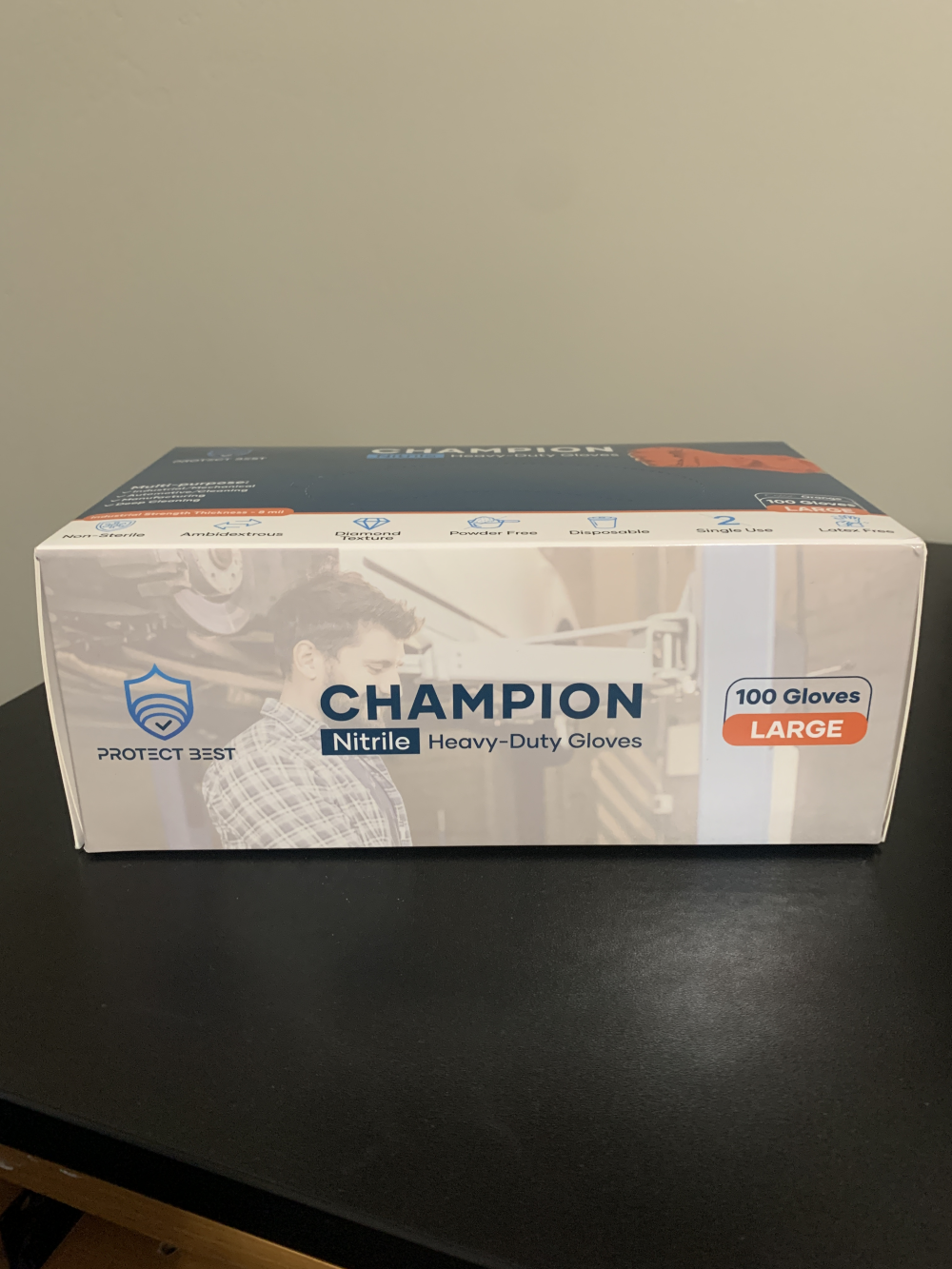
If you stock multiple glove lines, keep them clearly separated. Storing CHAMPION, NIGHTWATCH, and BODYGUARD in distinct, labeled locations helps match gloves to tasks and prevents over-aging in low-use areas.
Create clean glove stations to prevent contamination
Storage isn’t only about preventing brittleness, it’s also about keeping gloves clean. Glove boxes placed next to sinks, wash bays, or prep tables are exposed to splashes and mist. Cardboard wicks moisture, and once a box gets damp, gloves can stick together or feel off during donning.
Place glove boxes in dry zones, ideally wall-mounted or on shelving away from spray. Covered dispensers help in wet environments. Dedicated glove stations also reduce cross-contamination by keeping dirty hands away from box openings meant for clean tasks.
In hygiene-sensitive areas, BODYGUARD benefits from this separation to preserve exam-grade consistency. In industrial settings, keeping NIGHTWATCH and CHAMPION away from oils and residues before use preserves their durability advantages.
Do a 10-second glove integrity check before critical work
When the task matters, a quick check helps prevent surprises. Pull a glove, stretch the cuff slightly, and look for fine cracking or a chalky appearance. Flex the fingers and tug lightly at stress points like the cuff edge and the thumb webbing. Healthy nitrile should stretch and rebound without visible stress marks.
If gloves tear easily during normal donning, check another glove from the same box. Consistent failure points to a storage or age issue. Quarantine the box, replace it, and review where it was stored.
Extend glove life to boost performance and savings
Proper storage protects your glove investment. When gloves retain elasticity and strength, you get fewer tears during donning, fewer mid-task changes, and more predictable bulk purchasing. Even high-performance options like CHAMPION and NIGHTWATCH depend on good storage to deliver the durability you expect. Exam-grade options like BODYGUARD also rely on clean, controlled storage to maintain consistency.
Once storage is dialed in, glove selection becomes simpler. You can standardize by task, buy confidently in bulk, and keep teams focused on work instead of troubleshooting brittle gloves.
Direct answer: Best practices for storing nitrile gloves
Q: How should nitrile gloves be stored to prevent brittleness?
A: Store nitrile gloves in a cool, dry place away from sunlight, heaters, and ozone sources like electric motors. Keep boxes closed and protected from crushing, avoid storing near chemical vapors, and rotate inventory first-in/first-out. Discard any box where gloves feel brittle, chalky, or tear easily during donning.