Home
About
Shop
Resources
Sizing
Bulk Purchasing & Warranty Support
(866) 306-3829
Resources
The One-Minute Pre-Use Inspection That Prevents Surprise Failures Mid-Task
A glove failure never happens at a good time. It hits when hands are already in the work, covered in…
Continue Reading
How to Choose Cuff Length for Better Splash Protection Without Losing Mobility
Longer Cuffs Protect the Wrist’s Splash Zone Cuff length controls how much of your wrist and lower forearm stays covered…
Continue Reading
What to Do If Gloves Make Hands Dry: A Barrier Routine That Still Stays Hygienic
What’s Really Drying Your Hands Under Gloves When someone says “gloves make my hands dry,” the gloves often get blamed…
Continue Reading
How to Prevent Lint and Debris From Sticking to Gloves During Precision Work
Why Nitrile Gloves Attract Lint and Debris When lint and debris stick to nitrile gloves, it feels like the gloves…
Continue Reading
What “Latex-Free” Really Protects You From (and What It Doesn’t)
What “Latex-Free” Really Means in Gloves When we say a glove is “latex-free,” we mean one specific thing, not a…
Continue Reading
Do Nitrile Gloves Expire? How to Spot Aging Before It Causes Failures
Shelf Life vs. Real-World Usable Life Yes, nitrile gloves can effectively expire, but it’s more accurate to think about shelf…
Continue Reading
How to Store Nitrile Gloves So They Don’t Get Brittle or Weak
What makes nitrile gloves age in storage When nitrile gloves fail “out of nowhere,” the cause is usually slow damage…
Continue Reading
How Long Can Nitrile Gloves Safely Contact Alcohol and Disinfectants?
What really determines nitrile’s safe contact time When people ask “How long is nitrile safe with alcohol or disinfectants?”, they…
Continue Reading
Chemical Resistance Basics: What Nitrile Can Handle (and Where It Fails)
What “Chemical Resistant” Means on the Job When people ask if a nitrile glove is “chemical resistant,” what they usually…
Continue Reading
How to Remove Gloves Without Touching Contaminated Surfaces
Set up safe disposal before glove removal Train yourself to treat every gloved surface as contaminated, even if the job…
Continue Reading
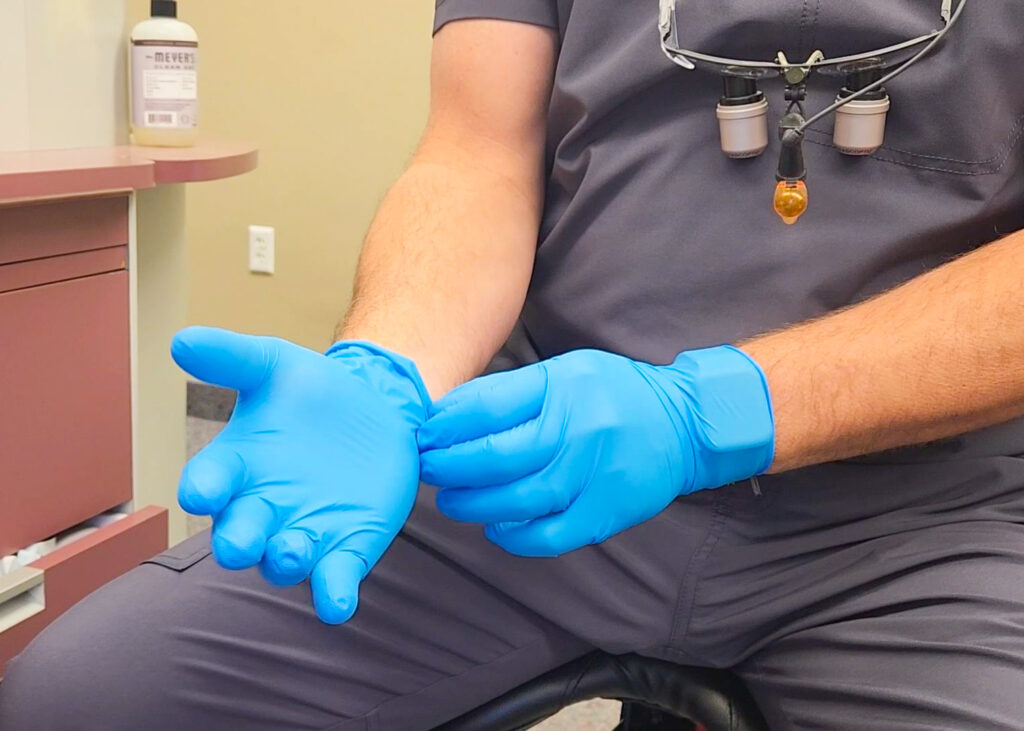
How to Put On Nitrile Gloves Without Tearing the Cuff
Choose the right size and prep dry hands Most cuff tears start before the glove is even on your hand.…
Continue Reading
Touchscreen Use With Gloves: Why Some Nitrile Gloves Work and Others Don’t
Why Bare Fingers Work on Capacitive Touchscreens Capacitive touchscreens (the kind on most phones and tablets) work by sensing tiny…
Continue Reading
Grip That Holds: What Textured Fingertips Actually Do on Nitrile Gloves
Textured Fingertips: More Grip on Wet, Slick Surfaces Textured fingertips are exactly what they sound like, a patterned surface molded…
Continue Reading
How to Avoid Skin Irritation When Wearing Gloves for Hours
Pinpoint Your Irritation Trigger by Timing When someone tells our team, “Nitrile gloves usually irritate my hands,” the first step…
Continue Reading
Do powder-free gloves reduce contamination risk?
What Glove Powder Is—and Why Powder-Free Wins Glove powder is a fine, dry material that used to be added to…
Continue Reading
Which nitrile glove thickness is best for dexterity?
For the most dexterity, choose thinner nitrile gloves around 4 mil when puncture risk is low and precision matters. A…
Continue Reading
How to Stop Nitrile Gloves Tearing
Nitrile gloves usually tear for a few predictable reasons: they are too thin for the job, the fit is off,…
Continue Reading
How to Know If Nitrile Gloves Are Good Quality Before You Buy
Good-quality nitrile gloves have consistent thickness, reliable seams, and predictable sizing from box to box. Look for clear thickness specs…
Continue Reading
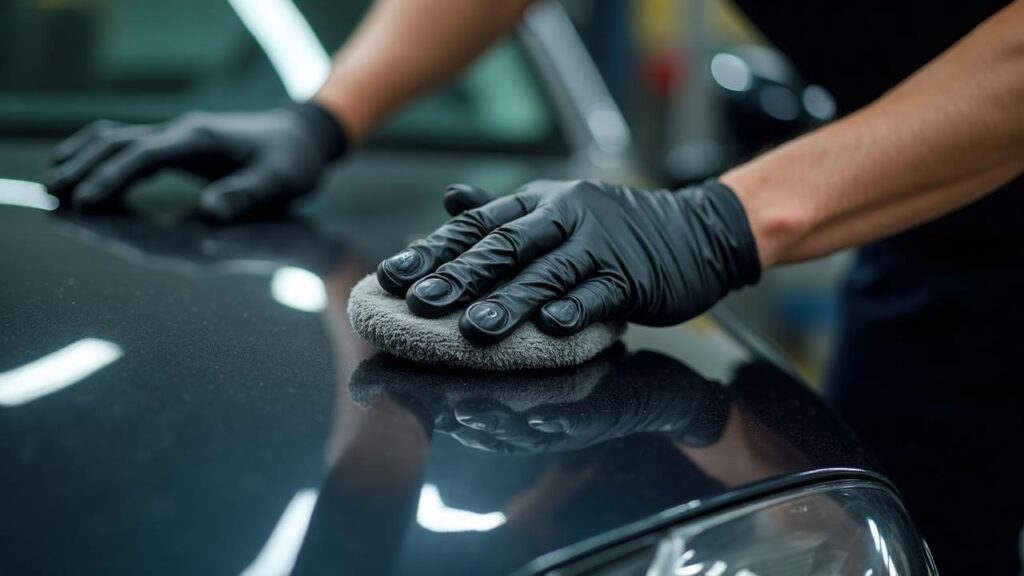
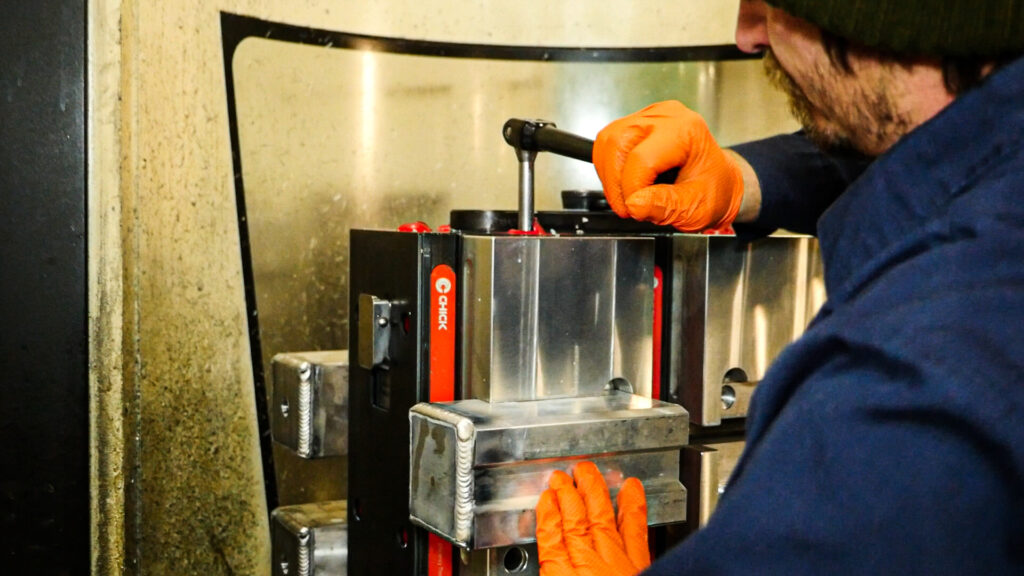
Stop Losing Grip With Oily Gloves: A Simple Fix That Works Mid-Task
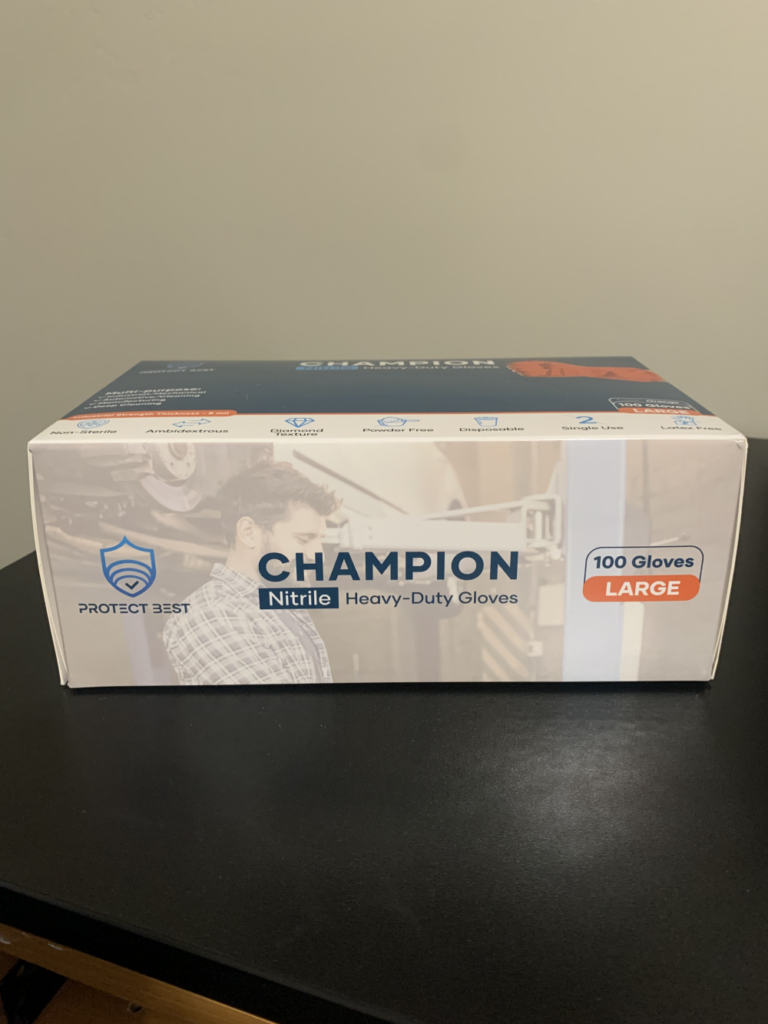
Discover how CHAMPION Orange gloves provide superior grip and visibility when working with oil, grease, and automotive fluids.
Continue Reading