
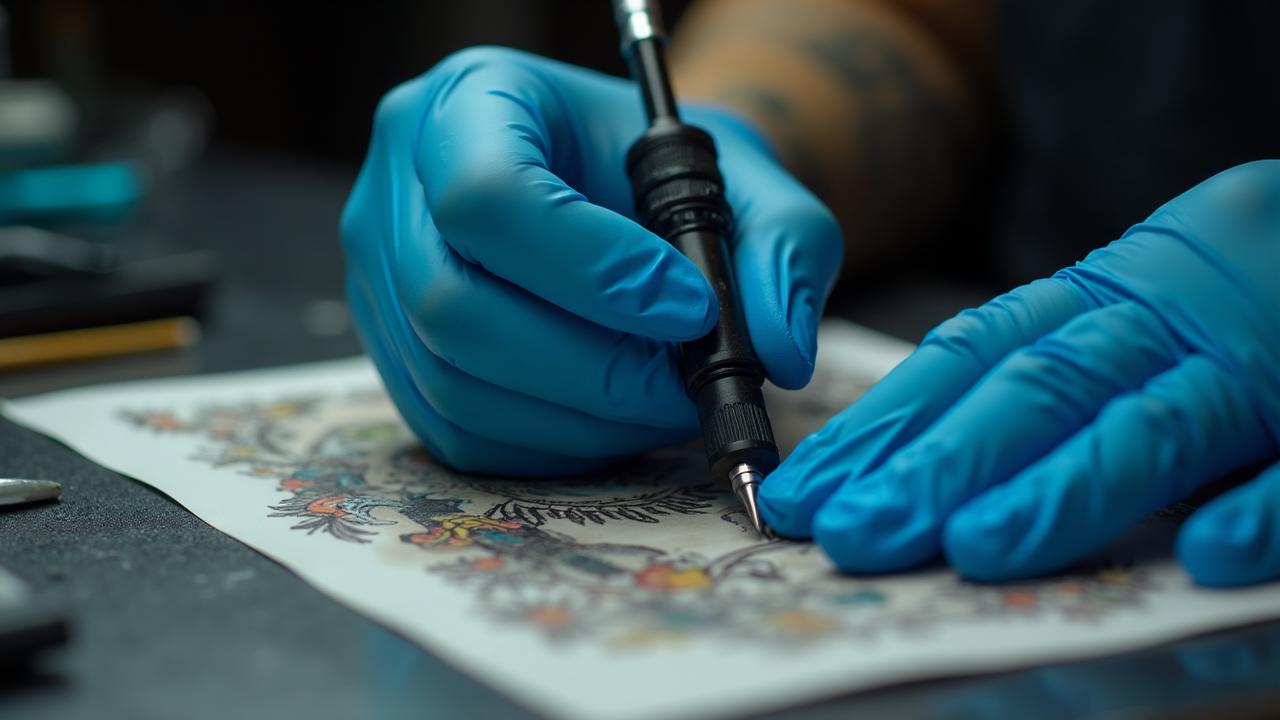
Pinpoint Your Irritation Trigger by Timing
When someone tells our team, “Nitrile gloves usually irritate my hands,” the first step is to narrow down the cause. Most glove discomfort falls into four buckets: sweat trapped under the glove (occlusion), rubbing from a poor fit (friction), irritation from soaps or chemicals used on the job, or a true sensitivity to a glove component. Each shows up differently, and timing is a useful clue. If your hands feel hot, pruney, or stingy while the gloves are still on, trapped moisture and heat are usually the driver. If irritation flares after you remove the gloves, especially after repeated handwashing, harsh soaps or chemical exposure may be the bigger issue. If symptoms only happen during a specific task, like using disinfectants, degreasers, hair dye, or solvents, the culprit may be what’s on your hands, not the glove itself.
Also look at where the irritation appears. Redness and dryness between fingers often points to moisture plus frequent washing. Soreness on knuckles or along the sides of fingers often points to friction from gloves that are too tight or that pull when you flex. A rash that matches the cuff line can suggest trapped sweat plus rubbing at the wrist. True material sensitivity is less common, but it tends to be consistent: it appears whenever you wear a specific glove type, even for short periods, and may include itching or hives. The goal isn’t to self-diagnose. It’s to get specific enough that your next change actually addresses the problem.
Keep Hands Dry to Protect Your Skin Barrier
One of the most overlooked causes of glove irritation is moisture that can’t evaporate. When hands sweat under a glove for hours, skin stays warm and wet, softening the outer layer that normally protects you. Once that barrier is weakened, everyday products can sting more, including soaps, sanitizers, and cleaning sprays that never bothered you before. This shows up often in roles with constant gloving: food prep, janitorial work, tattooing, automotive detailing, and beauty services. The glove becomes a little greenhouse, and the skin pays the price.
The simplest fix is also one of the most effective: dry your hands completely before you glove up. Pay attention to fingertips and the webbing between fingers. Putting gloves over damp skin traps water against the surface, and that rapid softening can start within minutes. If you wash your hands and immediately pull on gloves, you’re sealing in moisture, which increases both irritation and friction. Adding a deliberate drying step, even 20 to 30 seconds longer, can reduce discomfort across an entire shift.
Build a Pre-Shift Routine That Prevents Sting
When gloves are part of your daily uniform, a simple pre-shift routine can make a measurable difference. Use a gentle, fragrance-free soap when possible, because harsh detergents and strong fragrances can strip the skin and leave it more reactive. Rinse thoroughly, since leftover soap residue can become an irritant once it’s trapped under a glove. Then dry well, including between fingers. This rinse-and-dry step is basic, but it’s where many people accidentally set themselves up for hours of discomfort.
Next, apply a fast-absorbing, fragrance-free barrier cream or hand moisturizer, then give it a minute to set before you glove up. The goal isn’t greasy hands. It’s supported skin. A good barrier product helps reduce water loss from repeated washing and creates a smoother surface that can reduce micro-rubbing inside the glove. Avoid heavy petroleum-based lotions right before gloving. They can make hands feel slippery, which increases gripping force and friction over time, and some oily products can interact with glove materials when used continuously. If you prefer a heavier ointment for repair, use it after your shift or overnight.
Dial In Glove Fit to Reduce Rubbing
Friction is a quiet troublemaker. Even with the right glove material, a poor fit can create constant rubbing at the knuckles, fingertips, and thumb web space. Gloves that are too tight pull when you flex, creating pressure points that can lead to soreness, redness, and small cracks. Gloves that are too loose bunch and fold, creating hot spots and making you grip harder to compensate. That extra effort can mean more sweating, more friction, and more irritation in a single loop.
Do a quick fit check before you commit to a case. Make a fist, open your hand wide, and pinch your thumb and index finger together as if you’re picking up a small object. You want a secure fit without feeling like the glove is fighting your joints. Then watch for three signs you should change sizes or models: cuff roll-down (often too small or too short), excess material at the fingertips (often too large, causing bunching), and frequent tearing (sometimes durability, but often overstretching from a too-tight fit). When fit improves, many people notice less irritation even before they change anything else.
Manage Sweat Safely During Long Glove Hours
If you’re wearing gloves for hours, sweat management is both a comfort strategy and a skin-health strategy. Schedule brief glove-free breaks when your workflow allows it. Even a minute or two to let hands air out can reduce the “soaked glove” feeling that drives irritation. If you can’t fully remove gloves due to your environment, time breaks around tasks that already require a change so you’re not adding extra steps. Also change gloves when they get damp inside. A glove that feels wet on the interior is no longer helping your skin barrier. It’s working against it.
For some non-food, non-medical applications, thin cotton glove liners can help absorb sweat and reduce friction. They can be useful for long cleaning sessions, light industrial work, or situations where you’re wearing gloves mainly for mess and mild chemical contact rather than strict contamination control. Liners aren’t a universal fix. They can reduce dexterity, change your grip, and may not be compatible with safety requirements. Verify that liners won’t compromise grip, tool handling, or contamination standards in your workflow. If you try them, start with a short test period and notice whether you’re tempted to over-tighten your outer glove to compensate.
Choose the Right Nitrile Thickness for Comfort
Once the basics are covered, dry hands, a supportive barrier cream, and correct fit, glove selection becomes the next comfort lever. In general, we position powder-free, latex-free nitrile as the irritation-reducing default for most people. Powder-free matters because powder can dry out skin and leave residue that becomes irritating under occlusion. Latex-free matters because latex sensitivity is real, and many people prefer to avoid the risk entirely. Nitrile also offers a strong balance of stretch, chemical resistance, and durability for long wear, which helps you avoid mid-task tears that force you to re-glove repeatedly.
From there, match thickness and texture to the job so you’re not overheating your hands or fighting your tools. Our BODYGUARD 4 mil is a strong choice for light-duty work where you want precision and reduced bulk, like detail cleaning, light assembly, or beauty services. Less bulk can mean less hand fatigue and less heat retention, which can reduce sweat buildup. For everyday wear, our NIGHTWATCH 6 mil is the balanced option, giving you more protection and comfort for longer sessions, plus micro-texture grip that helps you hold tools without squeezing harder than necessary. When the work is tougher and frequent rips are causing constant donning and doffing, our CHAMPION 8 mil is built for durability. That durability isn’t just about protection. It can also support skin comfort by reducing tears, glove changes, cuff friction, and the extra handwashing that often comes with repeated swaps.
Know When to Get Expert Skin Support
Most glove-related irritation improves with moisture control, better fit, and a more skin-friendly routine. Still, there are clear red flags where you should pause and get professional guidance. Persistent cracking that doesn’t heal, swelling, blistering, weeping skin, or hives are not “normal glove discomfort.” Symptoms that worsen quickly, spread beyond the glove area, or appear even after short wear can indicate allergic contact dermatitis, an ingredient sensitivity, or exposure to a chemical that is irritating or burning the skin. If you suspect a chemical burn, treat it as urgent and follow workplace safety protocols immediately.
Stop using the suspected glove type and remove the exposure variable. If symptoms are severe or persistent, consult a clinician. Bring details if you can: what glove material you wore, whether it was powdered or powder-free, what products you handled, and whether the reaction happened during wear or after removal. That information can help a professional pinpoint whether you’re dealing with irritation, allergy, or a workflow-related exposure. Your skin is a protective barrier. When it’s compromised, small problems can turn into longer recovery times.
Save This Comfort Checklist for Every Shift
Here’s a comfort checklist you can save and use before long glove sessions. Dry hands completely before gloving, especially between fingers. Use a gentle soap, rinse fully, and avoid leaving soap residue behind. Apply a fast-absorbing, fragrance-free barrier cream and let it set before you put gloves on. Confirm fit by flexing your hands and checking for cuff roll-down, fingertip excess, or frequent tearing. Change gloves when the inside feels damp, and take brief glove-free breaks when your workflow allows. If appropriate for your work, test thin cotton liners, but confirm they don’t reduce grip or compromise contamination control. Choose powder-free, latex-free nitrile as your default, then match thickness to the job: BODYGUARD 4 mil for light-duty precision, NIGHTWATCH 6 mil for balanced everyday comfort, and CHAMPION 8 mil when durability prevents constant re-gloving.
If you want help choosing the right option, start with the thickness that matches your daily tasks, then stick with one model long enough to get a clear read on comfort. Constantly switching gloves can create trial-and-error irritation, especially when fit and texture change from brand to brand. Once you find your match, keep it consistent. Choose the right line, BODYGUARD, NIGHTWATCH, or CHAMPION, and subscribe for repeat delivery so you’re not forced to grab whatever is available when you run low. Consistency is one of the simplest ways to protect your hands over the long run.
Direct Answer: Prevent Irritation During Long Wear
Q: How can I prevent skin irritation from wearing gloves for hours?
A: Prevent glove-related irritation by keeping hands clean and fully dry before gloving, using a fragrance-free barrier moisturizer that absorbs completely, and wearing the correct size to reduce rubbing. Change gloves when they become damp inside and take brief breaks to let skin breathe. If rash, swelling, or hives occur, stop use and seek medical advice.