
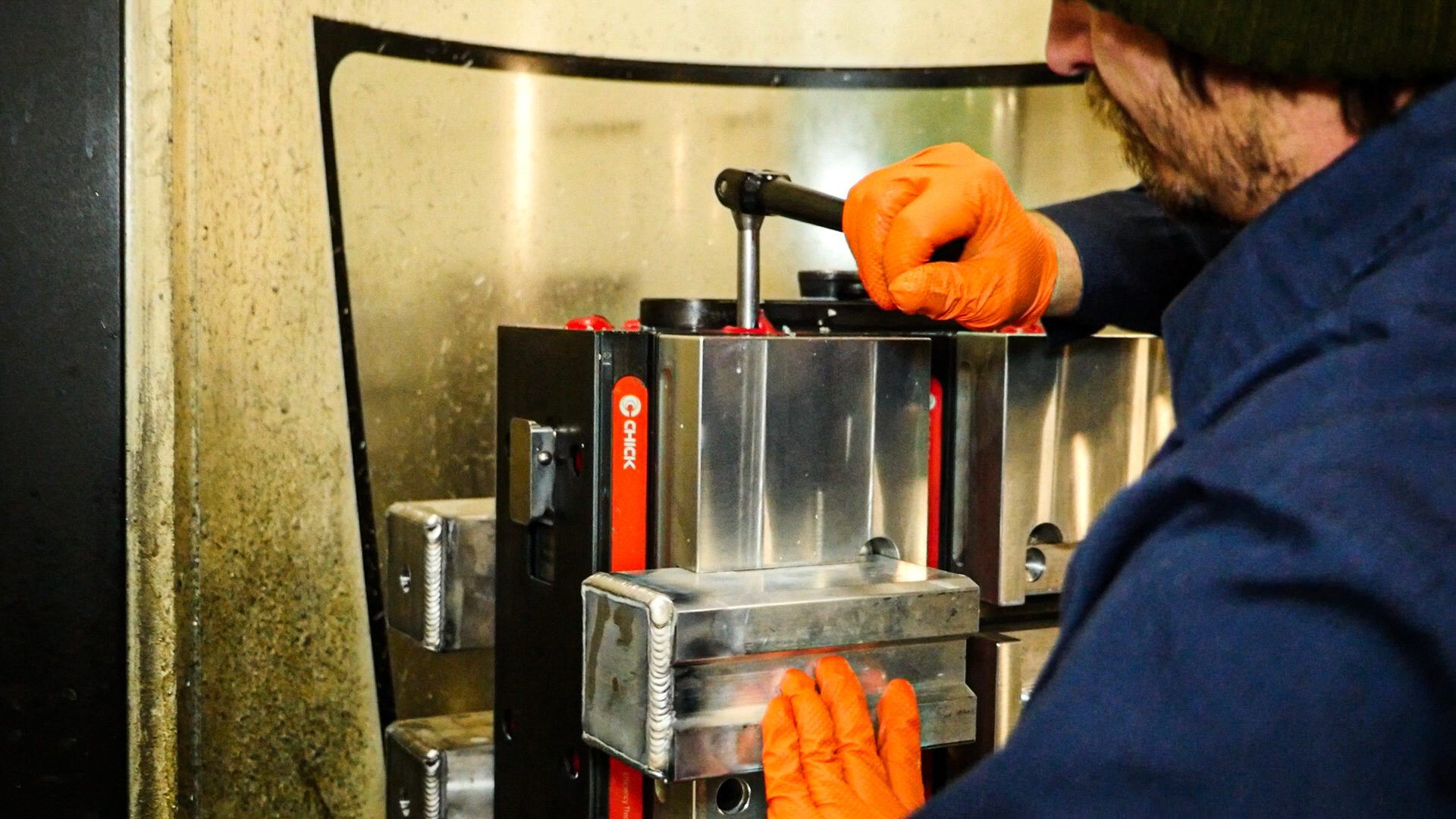
Nitrile gloves get slippery with oil when the surface can’t hold friction once it’s coated with grease or liquid. Smooth nitrile and light texture patterns lose grip fast, which reduces tool control. Choosing a glove with aggressive texture, such as raised diamond patterning, helps you keep grip by adding more contact points and giving oil somewhere to go besides between your hand and the tool.
Stay in Control When Gloves Get Oily
If you’ve ever felt a wrench start to twist in your hand or watched a small part slide out of your fingers, you know how quickly “a little oil” turns into a safety issue. Standard nitrile gloves can feel secure when dry, then turn slick once oil, grease, coolant, or even water coats the surface. The change can sneak up on you because it builds gradually mid-task, when your attention is on the work, not your gloves.
The real issue is tool control. When grip drops, your hands compensate without you thinking about it. You pinch harder, reposition more often, and pause to reset. That adds fatigue, slows the job, and increases the chance a near-drop becomes a real drop. In maintenance bays, fabrication shops, food processing, auto work, and any operation that mixes liquids with hand tools, slippery gloves are a common problem that still leads to avoidable mistakes.
Think of this as a two-layer fix. First are quick, mid-task adjustments that help you get control back without stopping the job. Second is the durable fix, choosing a glove texture that holds friction when things get wet and greasy, especially a raised diamond pattern like our CHAMPION Orange. If you want fewer near-slips and less hand fatigue, both layers matter.
Quick Mid-Task Moves to Restore Grip
When gloves start slipping mid-task, the fastest win is getting rid of the oil film sitting on the glove and tool. Use a shop towel to wipe the tool handle first, then wipe your glove palms and fingers. You’re not trying to get everything perfectly clean. You’re just knocking down the surface layer that acts like a lubricant. This takes seconds and often restores enough friction to finish the step you’re on safely.
Next, know when it’s time to switch gloves. There’s a point where contamination overwhelms whatever texture you have, especially with smooth nitrile or shallow patterns. If the glove looks glossy, still feels slick after wiping, or you notice repeated micro-slips when rotating a tool, that’s your change trigger. Keep a fresh pair close so swapping doesn’t feel like a production interruption.
Third, adjust technique. Use a firm, controlled grip instead of squeezing harder. The natural reaction to slipping is to clamp down, but over-gripping increases hand and forearm fatigue and can reduce fine control, especially on small fasteners or delicate parts. It can also raise the risk of tearing a glove at stress points (fingertips or between the thumb and index finger) right when you need protection most. A steadier grip, plus wiping and timely glove changes, beats white-knuckling through the job.
Raised Diamond Texture Keeps Hands Steady
Texture is the difference between a glove that feels fine in the box and one that stays reliable when the work gets messy. When oil coats a glove, friction drops because the contact point effectively becomes smoother. If the glove doesn’t have enough structure to break through that slick layer, your hand ends up skating on a thin film. That’s why “nitrile is nitrile” doesn’t hold up in real work. Texture design changes how the surface behaves when it’s wet.
Raised diamond texture works because it creates lots of contact points instead of one broad, flat contact patch. Those raised points keep engaging the tool surface even when liquid is present. The channels between the diamonds also help move oil and grease away from the highest-pressure areas where you need grip. The result is more consistent control when turning, pulling, twisting, and repositioning tools.
This is why we built CHAMPION Orange around an aggressive raised diamond pattern. It’s made for oily, greasy, wet tasks where “good enough” grip becomes “not enough” halfway through the shift. If your work includes lubricants, hydraulic fluid, cutting oil, or constant wash-down, this texture is one of the simplest upgrades you can make to stay in control.
Buy CHAMPION Orange if you want a glove that keeps its grip when your hands and tools are oily, so you can work faster with fewer resets.
Consistent Texture Quality You Can Count On
Smooth gloves and shallow textures often fail the “real job” test for a simple reason. Once they’re coated, there isn’t enough surface structure left to create friction. A light pattern can feel grippy when dry, but oil fills tiny grooves and turns that texture into a slick layer. That’s when the glove feels fine early on, then grip drops sharply as contamination builds.
Many teams also run into quality inconsistency. Texture can vary from box to box when supply is unreliable, and that’s hard to work around. One box performs well enough, the next feels smoother, thinner, or less defined. When grip is the issue, small differences in texture depth and consistency can change how safe the glove feels from one delivery to the next.
That’s why we take inspection seriously. Our process includes USA lot inspection in Boise, Idaho to confirm what shows up at your door matches what you expect, consistent texture definition, consistent feel, and consistent performance. The goal is fewer surprises, fewer “why does this box feel different?” moments, and more confidence that your glove choice behaves the same way shift after shift.
A Simple Checklist for Oily, Wet Jobs
If you want fewer slips, fewer glove swaps, and better control, use a simple selection checklist. Start with texture. For oily and wet tasks, choose raised diamond or another aggressive pattern that keeps contact points when the surface is coated. This is the most direct way to improve grip without changing your process or tools.
Next, look at thickness. Thicker nitrile generally provides more durability and puncture resistance, which matters around sharp edges, fasteners, sheet metal, or parts that can nick the glove during a slip. A glove that tears mid-task forces an immediate stop and can create a contamination issue if you’re handling fluids or sensitive components. For CHAMPION Orange, plug in the exact thickness specs your team uses and match them to the hazards you see most often.
Then, check sizing. A glove that’s too big can slip inside the glove even if the outside texture is aggressive. That internal slip reduces control because your fingers aren’t fully driving the grip points. A glove that’s too small can strain at the fingertips and increase fatigue. Correct sizing should feel snug without cutting off circulation, and you should be able to pinch and rotate small parts without the glove shifting.
Finally, don’t ignore workflow details that make compliance easier. CHAMPION Orange includes a beaded cuff for easier donning and a more secure cuff edge, and it’s touchscreen compatible so you can handle quick device interactions without pulling gloves off. Those small features reduce the hassle of doing the right thing, especially on busy teams.
Buy CHAMPION Orange if you want aggressive grip, durable nitrile performance, and small workflow upgrades that help your team stay consistent.
Keep Gloves On with Touchscreen Compatibility
Workflow is where glove performance either saves time or quietly drains it. When gloves get slippery, people often remove them to text, check a work order, scroll a manual, or snap a photo. That creates two problems. Contamination risk, touching a phone or tablet with bare hands, then going back to oily tools. Wasted time, once gloves come off, they often need to be replaced.
Touchscreen compatibility helps cut that loop. Protect Best gloves are touchscreen compatible, so your team can keep gloves on while handling quick device tasks. That means fewer interruptions, fewer unnecessary glove changes, and fewer chances to spread grease from tools to screens and back to hands. It’s a simple benefit, but in real operations it helps keep work moving while staying cleaner and safer.
Lock In Better Grip with CHAMPION Orange
Grip loss with oil is predictable. When a glove surface can’t hold friction under a coating of grease or liquid, control drops, fatigue rises, and near-slips become normal. The mid-task fixes are straightforward. Wipe excess oil from tools and glove surfaces, switch gloves when contamination overwhelms the texture, and avoid squeezing harder to compensate. These steps help immediately, especially when you’re already in the middle of a job.
The longer-term fix is choosing the right texture and sticking with consistent quality. Raised diamond texture keeps more contact points engaged and helps channel liquids away, which is why CHAMPION Orange is built the way it is. Consistency matters too, because a glove that performs differently box to box makes it harder to train safe habits and harder to trust your grip when it counts.
If you want a practical way to confirm the difference, run a simple test this week. Pick one oily tool you use often, like a ratchet, filter wrench, or grease gun handle. Note how many times you feel a micro-slip or need to reset your hand position. Track those moments for five workdays, then compare results after switching to an aggressive raised diamond glove. The goal isn’t perfection. It’s fewer surprises and more control.
Buy CHAMPION Orange to keep your grip when the job gets oily, reduce near-slips, and stay in control without fighting your gloves.